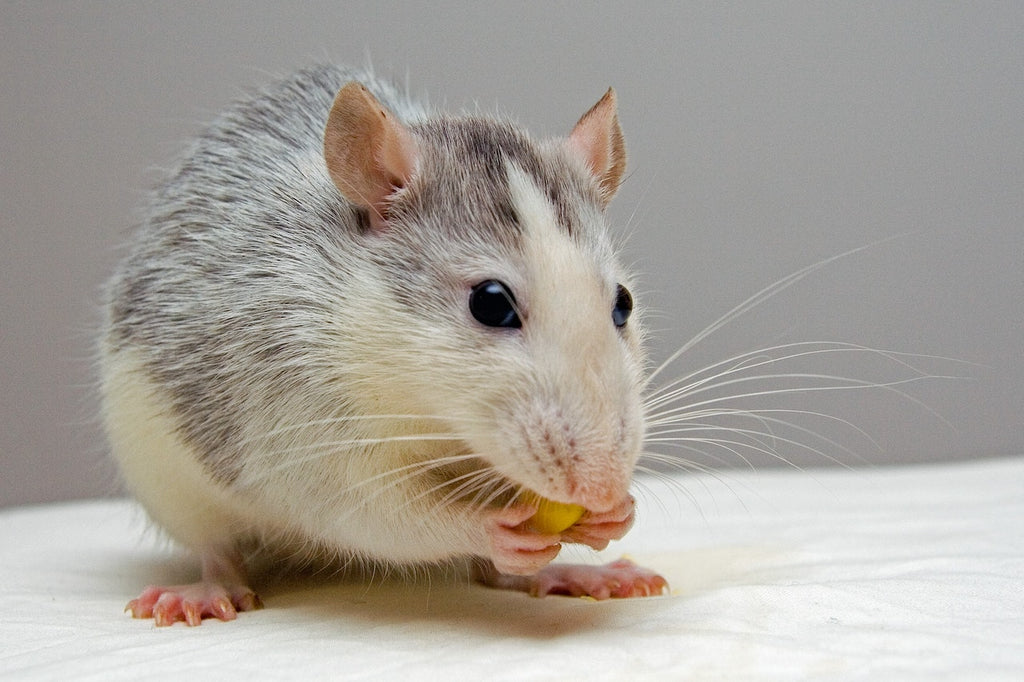
Can Rats Eat Olives?

Can Rats Eat Olives?


As An Amazon Associate We Earn From Qualifying Purchases At No Extra Cost To You
Banner Ad


Rat

Can rats eat olives? Are olives safe for rats? What are the health benefits of feeding olives to rats? Read on to find out more about whether rats can eat olives or not and the best foods to feed rats, including the alternative treats to feed rats. 

Olives are small fruits produced by olive trees (Olea europaea). They are connected to cherries, mangoes, almonds, peaches and pistachios and are part of the class of fruits known as drupes or stone fruits. 

Olives contain a good amount of vitamin E and ither strong antioxidants. According to studies, they are healthy for the heart and may support against cancer and osteoporosis. 

Olive oil is made by extracting the beneficial fats from olives and is one of the ingredients of the healthy Mediterranean diets. Olives are also delicious in spreads, sandwiches and salads. 

When they ripen, some green immature olives turn black. While others are fully ripe, they are still green. 90% of the olives in the Mediterranean region are used to manufacture olive oil. 

Can Rats Eat Olives?

Yes, rats can eat olives. Just be sure to remove the pit and offer olives to rats in moderation. Anything in excess can be harmful, and olives are no exception. Additionally, you should only feed natural olives to pet rats and any extra flavoring or seasoning should be washed off. Rats can eat olives as an occasional treat. Olives contain antioxidants and vitamin E, which are beneficial to pet rats. 
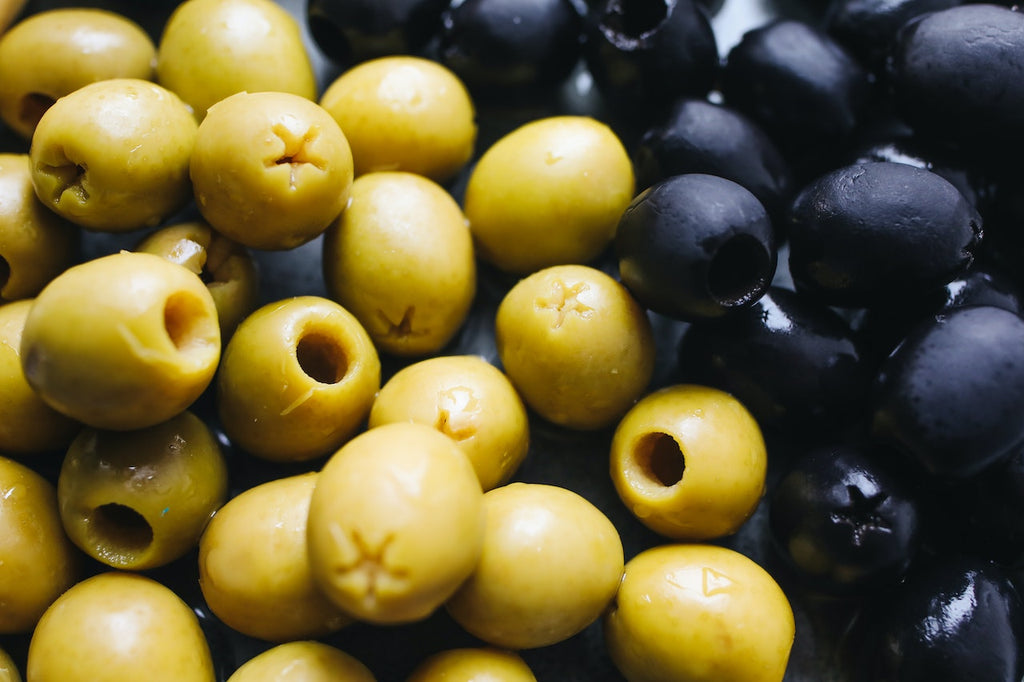
 

Olives

Are Olives Safe for Rats?

Olives are safe for rats and they do not contain any toxic substance that may affect the well-being of the pet rat. Nevertheless, olives should be given in moderation and as an occasional treat.

Additionally, always make sure to wash off any strong flavoring prior to feeding the olives to pet rats. You should always be on the look out for foods that can irritate the rat’s stomach, such as salt and pepper. 

However, this won’t be a problem if the olives have olive oil on them. Olive oil is safe for rats so you don’t need to be concerned about that.

Contrary to popular belief, olives are healthier for humans and pet rats. Olives are fermented and fermented foods contain enzymes and beneficial microorganisms that can enhance the gut health.

Olives contain a good amount of fiber. Rats need fiber to support digestion, which enhances the health of their gut. Additionally, it supports the improvement of stool quality, which is important for maintaining the rat’s health and happiness.

It is advisable to control what your rats eat to prevent constipation. Furthermore, 10% of the beneficial fats in olives are present. Finding the ideal ratio of fats and carbohydrates and proteins can be difficult. Good fats should make up for about 4-8% of the rat’s diet. And if you think your rat’s food is a little bit too high in carbohydrates and proteins, olives are a suitable option to solve that. You can include olives in your rat’s diet if you think it is necessary. 

Health benefits of Olives to Rats

Promotes Heart Health

High blood pressure and blood cholesterol are part of the warning signs of a heart disease. Olives contain oleic acid, a primary fatty acid that is linked to better heart health. It might control cholesterol levels and stop LDL ‘bad’ cholesterol from oxidation. However, some specialists argue that additional research is required. 

Additionally, according to certain research, olives and olive oil may lower blood pressure. 

Improves Bone Health

Osteoporosis is characterized by reduced bone mass and bone quality. It can increase the chance of fractures. There is a hypothesis that olives may prevent osteoporosis because the disease are lower in the Mediterranean regions than in the rest of Europe. 

In some animal and test-tube studies, certain plant substances included in olives and olive oil have been discovered to aid in the prevention of bone loss. 

Observational studies also indicate that eating a Mediterranean-style diet may lower the risk of bone fractures. 

Reduces the Risk of Cancer

Olives and olive oil are often consumed in the Mediterranean region, where the rates of cancer and other chronic diseases are lesser than in other Western countries. 

Therefore, olives may help reduce the risk of developing cancer, which may be because of their high antioxidants and oleic acid concentrations. According to observational and test-tube studies, these substances appear to interfere with the life cycle of colon. Breast and stomach cancer cells. 

Nevertheless, long-term controlled human research is required to validate these findings. It is still unknown whether consuming olives or olive oil lowers the rate of cancer.

Can Rats Have Olive Oil?

Yes, rats can have olive oil. However, because rats do not have a great taste for olives, it is unlikely that they would love the flavor of olive oil. Nevertheless, they may have some oils if they are cooked. 

Giving olive oil to rats revolves around a controversy. The kind of olive oil used and the diet of the rats play an important role in the response to this question. 

Some rat specialists argue that feeding olive oil to rats may be harmful to its health because the oil contains a high level of saturated fat. Therefore, rats should not consume olive oil as part of their diet, but there is no danger if you give pet rats small amount of olive oil as an occasional treat. 

Dangers of Feeding Olives to Rats

Even though olive pits are not harmful, it is better to not give olives to rats without removing the pit. In this manner, you can relax and let your rats eat olives without worrying about choking. 

Some olives are highly salty. To make sure the high salt content won’t irritate the rat’s stomach, it is better to wash the olives thoroughly before feeding them to rats. 

Humans may enjoy salty olives but rats are much smaller than they are and they strong flavors can be overwhelming for them; this should be taken seriously because rats’ blood pressure has been shown to rise because of high-salt diets.

Bottom Line

Rats can eat olives. You can give olives to rats alone or mixed with other treats. Olives are a good source of vitamin E and many strong antioxidants. Olives should be fed to rats in moderation and as an occasional treat.


Banner Ad

Top 25 Facts About Life

1. Life Is Full Of Uncertainty And Change
Life is inherently unpredictable. Circumstances, relationships, and opportunities can change at any moment. Embracing uncertainty allows us to adapt, grow, and develop resilience. Accepting change as part of life helps reduce stress, build confidence, and discover new possibilities that would otherwise remain hidden.

2. Small Daily Habits Have Big Impacts
Our daily actions compound over time. Simple habits like reading, exercising, eating healthily, or practicing gratitude can significantly influence mental, physical, and emotional well-being. Life is shaped less by grand gestures than by consistent, mindful behaviors repeated every day, which eventually form our character and future.

3. Perspective Shapes Experience
The way we perceive events determines our emotional response. A single situation can be seen as a challenge, a lesson, or a setback depending on perspective. Cultivating a positive and growth-oriented mindset allows us to navigate life more smoothly, find opportunities in adversity, and maintain emotional balance.

4. Relationships Are Central To Happiness
Human connection plays a vital role in overall well-being. Strong relationships with family, friends, or community provide support, love, and shared experiences. Prioritizing meaningful connections, effective communication, and empathy contributes to emotional fulfillment and resilience throughout the ups and downs of life.

5. Lifelong Learning Enhances Growth
Life is an ongoing journey of knowledge and discovery. Curiosity, continuous learning, and skill development expand our understanding of the world and ourselves. Lifelong learning encourages creativity, adaptability, and personal fulfillment, helping us remain engaged and capable in a rapidly changing society.

6. Health Is A Foundation For Everything
Physical, mental, and emotional health are the pillars of a fulfilling life. Regular exercise, balanced nutrition, sufficient sleep, and stress management empower us to perform daily activities, pursue goals, and enjoy meaningful experiences. Without health, even the most successful ambitions can feel limited or unsustainable.

7. Failure Is Part Of Growth
Mistakes and failures are inevitable, yet essential for development. They provide insights, resilience, and opportunities to improve. Viewing failure as a teacher rather than a setback fosters courage, creativity, and perseverance. Life’s most valuable lessons often come from our missteps rather than our successes.

8. Gratitude Improves Well-Being
Practicing gratitude shifts focus from what is lacking to what is abundant. Recognizing small joys, achievements, and relationships enhances mood, reduces stress, and strengthens emotional health. Gratitude encourages optimism, empathy, and a sense of connection, making life feel richer and more meaningful.

9. Time Is Life’s Most Precious Resource
Unlike money or material possessions, time is finite. How we spend each moment shapes our experiences, memories, and legacy. Prioritizing meaningful activities, relationships, and self-care ensures a more fulfilling life. Conscious management of time can increase happiness, productivity, and long-term satisfaction.

10. Mindfulness Brings Clarity
Being fully present in each moment helps us experience life more deeply. Mindfulness improves focus, reduces stress, and enhances emotional regulation. By paying attention to thoughts, feelings, and surroundings without judgment, we cultivate awareness that guides decisions and fosters peace and contentment.

11. Kindness Has Ripple Effects
Acts of kindness, no matter how small, create positive effects that extend beyond the immediate moment. Helping others improves our own mood and strengthens social bonds. Generosity fosters empathy, cooperation, and community, contributing to a life that feels purposeful and connected.

12. Adaptability Determines Success
Life rarely follows a rigid plan. The ability to adapt to changing circumstances, expectations, or environments is essential for personal growth and achievement. Flexibility allows us to seize opportunities, recover from setbacks, and navigate complexity with resilience and confidence.

13. Self-Reflection Drives Improvement
Regular reflection on thoughts, actions, and decisions fosters self-awareness. Understanding our strengths, weaknesses, and motivations enables better choices, stronger relationships, and personal development. Life becomes more intentional when we evaluate progress, learn from experiences, and adjust behavior accordingly.

14. Money Can Enhance But Not Guarantee Happiness
Financial stability supports comfort, health, and access to opportunities. However, material wealth alone does not guarantee long-term fulfillment. True happiness stems from meaningful relationships, purpose, personal growth, and experiences. Balancing financial goals with emotional and social well-being is key to a satisfying life.

15. Nature Benefits Mind And Body
Spending time in natural environments reduces stress, improves focus, and fosters creativity. Nature provides perspective, calm, and physical health benefits. Engaging with outdoor activities or simply observing natural surroundings enhances overall well-being and strengthens our connection to the world around us.

16. Patience Cultivates Resilience
Life often unfolds in unpredictable ways. Developing patience allows us to manage frustration, delay gratification, and endure challenges without unnecessary stress. Resilience grows when we accept that meaningful achievements, relationships, and personal growth require time and consistent effort.

17. Humor Lightens Life’s Burdens
Laughter provides physical, mental, and social benefits. Humor relieves stress, improves perspective, and strengthens bonds with others. Being able to find lightness in adversity fosters resilience, optimism, and emotional well-being, helping navigate life’s challenges with a healthier outlook.

18. Purpose Creates Direction
Having a sense of purpose guides choices, motivates action, and gives meaning to everyday life. Purpose can be derived from work, relationships, personal goals, or service to others. A clear sense of why we do what we do enhances fulfillment, resilience, and long-term satisfaction.

19. Emotions Are Guides, Not Enemies
Emotions provide valuable information about our needs, values, and surroundings. Instead of suppressing feelings, observing and understanding them helps us make conscious decisions. Emotional intelligence allows for healthier relationships, improved problem-solving, and a more authentic and meaningful life.

20. Learning From Others Accelerates Growth
Observing, listening, and seeking guidance from mentors, peers, or historical examples allows us to avoid mistakes and gain wisdom faster. Collaboration and shared knowledge expand perspectives, encourage innovation, and strengthen social bonds, enriching the journey of life significantly.

21. Simplicity Reduces Stress
Simplifying life, whether through decluttering, prioritizing, or reducing commitments, can improve mental clarity and emotional balance. Focusing on essentials, meaningful work, and genuine relationships fosters contentment. Minimalism and intentional living reduce overwhelm, making it easier to appreciate life’s small joys.

22. Resilience Is Built Over Time
Facing challenges repeatedly and learning to cope strengthens resilience. Each difficulty, failure, or disappointment provides an opportunity to develop grit and endurance. Resilient individuals bounce back from adversity, maintain optimism, and continue to pursue goals despite setbacks, creating a more empowered and confident life.

23. Curiosity Keeps Life Vibrant
A curious mind seeks knowledge, exploration, and new experiences. Curiosity encourages creativity, adaptability, and joy in everyday life. Lifelong curiosity fosters personal growth, deepens understanding of the world, and keeps life dynamic, engaging, and full of opportunities for discovery.

24. Balance Is Essential For Well-Being
Balancing work, relationships, rest, and personal pursuits prevents burnout and promotes holistic well-being. Life requires attention to mental, emotional, and physical health. Prioritizing balance allows for sustainable success, satisfaction, and meaningful engagement across all areas of life.

25. Life Is About Growth, Not Perfection
Striving for perfection can lead to stress and disappointment. Life is a journey of continuous growth, learning, and self-improvement. Embracing imperfection allows us to take risks, explore creativity, and cultivate resilience. Personal progress, not flawlessness, is the true measure of a fulfilling life.


Related Posts

Can Squirrels Eat Yogurt?
Squirrels are adorable little creatures that have captured our hearts with their acrobatic abilities and fluffy tails...
Read More
Can Squirrels Eat Wheat? 
Squirrels are fascinating creatures known for their acrobatic abilities and love for nuts. If you've ever observed th...
Read More
Can Squirrels Eat Worms
Feeding squirrels can be a tricky business, considering the varied options available and the nutritional value that t...
Read More

Back to blog

Leave a comment













